Why Roof Stains Spread So Aggressively on Homes in Anthony and Ft. McCoy
Homeowners in Anthony and Ft. McCoy share a common frustration. Those dark black streaks on the roof seem to appear out of nowhere, and once they start, they spread with alarming speed. Within months, a few faint streaks can turn into a roof that looks decades older than it actually is.
What most homeowners don’t realize is that the rural landscape, tree coverage, and environmental conditions unique to Anthony and Ft. McCoy create the perfect breeding ground for the organism responsible. Understanding the science behind these stains reveals why they spread so aggressively here and what actually stops them.
The Organism Behind Those Black Roof Streaks
Those dark streaks are not dirt, soot, or normal weathering. A specific type of cyanobacteria called Gloeocapsa magma causes them, and it thrives in warm, humid environments exactly like rural Marion County.
How Gloeocapsa Magma Feeds on Your Roof
This bacterium feeds on the limestone filler found in modern asphalt shingles. As it consumes the limestone, it produces a dark pigmented outer coating that protects it from UV rays. That dark coating is what homeowners see as black streaks. The more the bacteria feed, the darker and wider the streaks become.
Why Anthony and Ft. McCoy Provide Ideal Conditions
Both Anthony and Ft. McCoy feature large lot sizes, abundant tree coverage, and proximity to agricultural land and natural water sources. These conditions produce consistently high humidity at roof level, limited direct sunlight on shaded roof planes, and airborne organic material that the bacteria feed on. Homes here face a more aggressive growth timeline than properties in open, sun-exposed subdivisions.
What Accelerates Roof Stain Growth in Rural Marion County
Several factors specific to the Anthony and Ft. McCoy landscape push bacterial growth into overdrive.
Tree Canopies Block the Sun’s Natural Sanitizing Effect
UV radiation from direct sunlight naturally slows Gloeocapsa magma growth. Dense oak canopies, pine stands, and mixed hardwood trees throughout Anthony and Ft. McCoy block UV rays from reaching large portions of the roof. North-facing roof planes and areas shaded by trees see the fastest and most aggressive staining.
Organic Debris Creates a Feeding Layer on the Roof
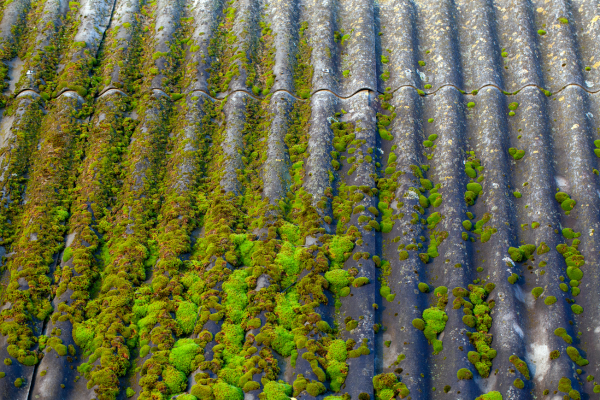
Falling leaves, pine needles, pollen, and small twigs accumulate in roof valleys and along shingle edges. This organic layer traps moisture, breaks down into nutrient-rich material, and feeds both the cyanobacteria and secondary organisms like green algae and moss that compound the staining problem.
High Nighttime Humidity Keeps Shingles Damp for Hours
Rural areas around Anthony and Ft. McCoy experience higher nighttime humidity than more developed areas with greater heat island effects. Shingles stay damp well into the morning, giving bacteria extended periods of moisture contact that accelerate colony expansion.
The Real Cost of Ignoring Roof Stains
Many homeowners dismiss roof stains as a cosmetic nuisance. The consequences, however, reach far deeper than appearance.
Bacterial Growth Shortens Shingle Lifespan
As Gloeocapsa magma consumes the limestone in shingles, it compromises their structural integrity. Shingles become more brittle, lose granules faster, and become less effective at shedding water. A heavily colonized roof can lose years of functional life compared to a clean roof of the same age.
Dark Stains Absorb More Heat and Raise Cooling Costs
Dark-stained areas absorb significantly more solar heat than clean shingle surfaces. For homes in Anthony and Ft. McCoy, where summer temperatures regularly exceed 90°F, this added heat absorption forces air conditioning systems to work harder, driving up monthly energy costs.
Neglected Roofs Raise Red Flags During Home Inspections
If you plan to sell your property, a stained roof immediately raises concerns during buyer inspections. Inspectors and buyers interpret dark streaks as potential neglect, deferred maintenance, or worse, structural roof problems. Clean roofs create confidence. Stained roofs create doubt.
How Soft Wash Roof Cleaning Eliminates Stains Safely
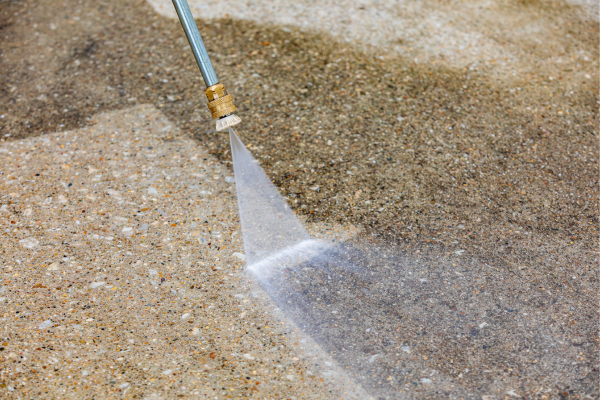
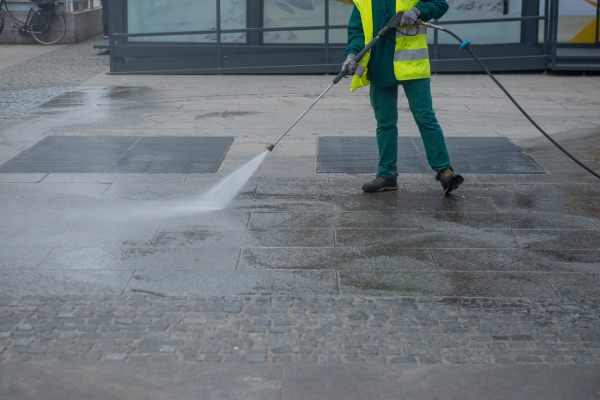
Traditional high-pressure washing damages shingles, voids manufacturer warranties, and blasts away protective granules. Soft wash cleaning takes the opposite approach and delivers dramatically better results.
Low-Pressure Application Protects Shingle Integrity
Soft washing applies a cleaning solution at low pressure, similar to a garden hose. This gentle application avoids the shingle damage that high pressure causes while still delivering the cleaning agents directly to the bacterial colonies.
Specialized Solutions Kill Bacteria at the Source
The cleaning solutions used in professional soft washing penetrate the Gloeocapsa magma’s protective outer layer and destroy the organism at its base. This complete kill prevents rapid regrowth and keeps the roof cleaner for 2 to 3 years in most cases.
Eco Safe Formulas Protect Surrounding Landscaping
Professional soft wash solutions break down into biodegradable components that pose no threat to the landscaping, well water, or soil around Anthony and Ft. McCoy homes. Technicians also pre-rinse plants and direct runoff carefully to ensure complete environmental protection.
Staying Ahead of Roof Stains in Anthony and Ft. McCoy
The aggressive growing conditions in rural Marion County mean that roof stains will return eventually. Scheduling professional soft wash cleaning every 2 to 3 years prevents bacterial colonies from reaching damaging levels and keeps your roof looking clean, performing efficiently, and holding its full value. For homes under heavy tree canopy, a cleaning cycle closer to every 18 to 24 months provides even stronger protection.