How Marion Oaks HOA Standards and Florida Weather Make Exterior Cleaning Essential
Marion Oaks offers spacious lots, affordable homes, and a growing community in the heart of Marion County. It also presents homeowners with a unique double challenge: Florida’s relentless humidity drives rapid exterior buildup on every surface, while neighborhood standards and community expectations demand that properties stay clean and well-maintained year-round. Falling behind on either front costs homeowners time, money, and peace of mind.
This guide explores how Florida’s weather conditions specifically affect Marion Oaks properties, what community standards homeowners should stay aware of, and how a consistent exterior cleaning schedule addresses both challenges simultaneously.
The Florida Weather Factors That Hit Marion Oaks Properties Hardest
Marion Oaks sits in the interior of Marion County, away from coastal breezes that help moderate humidity in other parts of Florida. This inland position, combined with surrounding vegetation and Florida’s subtropical climate, creates a punishing environment for every exterior surface on your property.
Summer Humidity Rarely Drops Below 70%
From May through October, Marion Oaks experiences daily humidity levels between 75% and 95%. Every exterior surface on your home, driveway, sidewalk, fence, and roof stays damp for extended periods. This persistent moisture fuels the algae, mold, and mildew that colonize outdoor surfaces aggressively.
Afternoon Storms Deposit Organic Material Everywhere
Florida’s famous afternoon thunderstorms deliver heavy rain that washes pollen, dirt, leaf tannins, and airborne debris onto driveways, walkways, and siding. As this organic material decomposes, it feeds biological growth and creates dark staining that worsens with each storm cycle.
Sandy Soil Splashes Onto Foundations and Lower Walls
Marion Oaks’ sandy Florida soil splashes onto lower siding, foundation walls, and landscaping borders during rainstorms. This sand and dirt combination bonds with moisture and creates a grimy layer that clings stubbornly to painted and stucco surfaces.
How Community Standards Raise the Stakes for Homeowners
Whether your specific section of Marion Oaks operates under formal HOA governance or simply follows community norms, the expectation of a well-maintained property exterior remains consistent.
Visible Mold and Algae Draw Unwanted Attention
Green algae on driveways, black mold streaks on siding, and darkened rooflines stand out visually in any neighborhood. In Marion Oaks, where homes sit on generous lots with clear sightlines from the street, these signs of neglect become immediately noticeable to neighbors, visitors, and anyone driving through.
Neglected Exteriors Affect Surrounding Property Values
When one property falls into visible disrepair, surrounding homes feel the impact. Prospective buyers evaluating the neighborhood factor in the condition of adjacent properties. Keeping your exterior clean protects not just your own home’s value but also contributes to the overall appeal and market strength of the Marion Oaks community.
Consistent Maintenance Prevents Costly Catch-Up Work
Homeowners who skip regular exterior cleaning for two or three years often face significantly higher costs when they finally address the buildup. Heavy biological growth requires more aggressive treatment, longer service times, and sometimes surface repairs that routine cleaning would have prevented entirely.
Which Exterior Surfaces Need Attention Most in Marion Oaks
Every outdoor surface on a Marion Oaks property faces environmental exposure, but some areas deteriorate faster and demand priority attention.
Driveways and Sidewalks Show Staining First
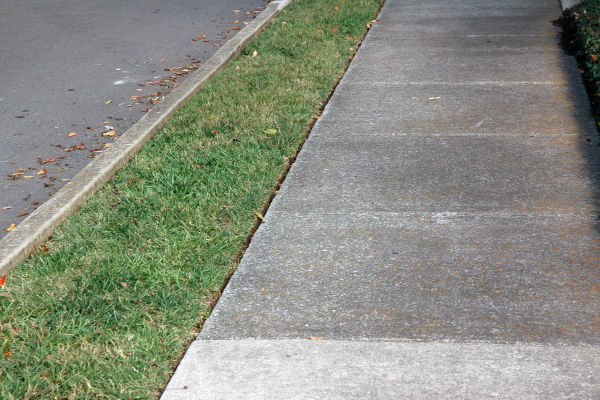
Horizontal concrete surfaces collect the most rainwater, debris, and organic material. Driveways and sidewalks in Marion Oaks typically show visible algae staining within 6 to 8 months of their last cleaning, especially in areas shaded by trees or structures.
Rooflines Develop Dark Streaks That Accelerate Over Time
Roof staining caused by Gloeocapsa magma bacteria appears as dark streaks that darken and spread with each month of growth. Shaded roof planes and north-facing sections show staining first and progress fastest.
Fences and Siding Accumulate Green Growth on Shaded Faces
Fence panels, north-facing siding, and walls shaded by the home’s own roofline collect moisture that takes longer to evaporate. These surfaces develop green algae and mildew fastest and often look significantly worse than sun-exposed portions of the same structure.
Building an Exterior Cleaning Schedule That Works for Marion Oaks
A proactive cleaning schedule eliminates the stress of catch-up work and keeps your property consistently clean throughout the year.
Annual House Washing Prevents Siding Deterioration
Scheduling a full soft wash house cleaning once per year removes biological growth before it damages paint, stucco, or siding materials. Early spring timing offers the best protection heading into Florida’s demanding summer season.
Concrete Cleaning Every 8 to 12 Months Keeps Surfaces Safe and Clean
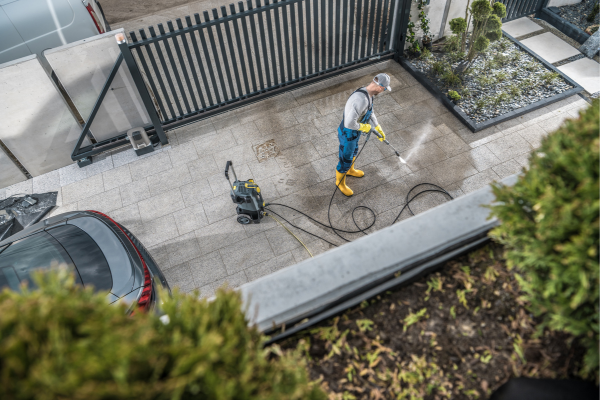
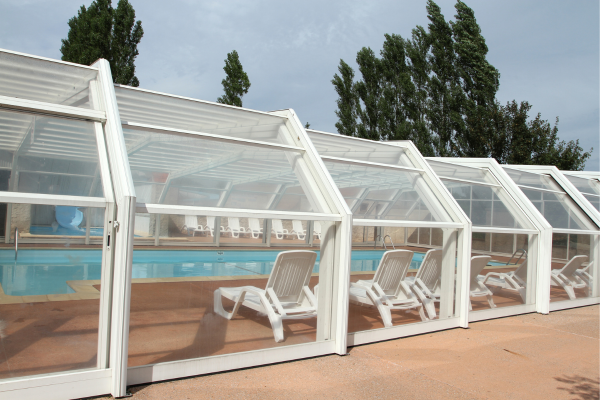
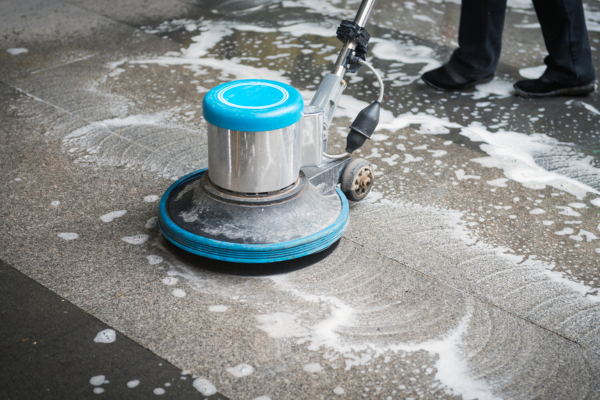
Driveways, sidewalks, pool decks, and patios benefit from professional pressure washing on an 8 to 12-month cycle. This frequency prevents algae from building up to levels that create slippery, hazardous surfaces.
Roof Soft Washing Every 2 to 3 Years Protects Shingles and Appearance
Roof cleaning requires less frequency than other surfaces because professional soft wash treatments kill bacteria deep enough to prevent rapid regrowth. A 2 to 3-year cycle keeps Marion Oaks rooflines clean and protects shingle longevity.
Proactive Cleaning Protects Everything That Matters in Marion Oaks
Your Marion Oaks home faces constant environmental pressure from Florida’s humidity, rain, and biological growth. Layer in community standards and property value considerations, and the case for consistent professional exterior cleaning becomes impossible to ignore. A simple annual schedule keeps every surface clean, every neighbor satisfied, and every dollar of your property value intact.