The Real Reason Sidewalks in The Villages Get So Slippery and How to Fix It
If you’ve ever taken a morning stroll in The Villages after a rainstorm, you’ve probably noticed it, that sudden slickness underfoot, a slippery sidewalk that turns a peaceful walk into a potential hazard. It’s not just inconvenient; it’s dangerous. Every year, countless residents and visitors experience slips on what appear to be clean walkways. But beneath the surface lies a persistent issue that thrives in Florida’s warm, humid environment, one that homeowners, municipalities, and property managers can no longer afford to ignore.
Why Sidewalks in The Villages Become So Slippery
Sidewalks in The Villages may look well-kept, but the combination of heat, humidity, and regular rainfall creates the perfect breeding ground for slippery buildup. Over time, organic materials accumulate on concrete surfaces, forming a thin, slimy layer that can turn an ordinary walkway or driveway into a hazardous stretch.
The Unseen Buildup Causing Slippery Sidewalks and Walkways
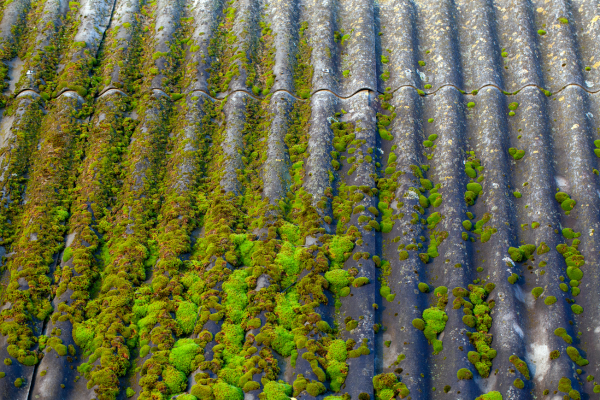
The real culprit behind slippery sidewalks isn’t just water; it’s the accumulation of microscopic growth like algae and moss. These organisms thrive in shaded areas, feeding on moisture and organic debris. The result? A slimy, greenish film that clings to the surface, invisible until it’s too late. This residue, though thin, drastically reduces traction and makes even a short sidewalk dangerously slick.
How Florida’s Rain and Humidity Accelerate Slipperiness
In The Villages, near-daily rainfall and year-round humidity make it nearly impossible for sidewalks to dry fully. This constant exposure to moisture allows slippery growth to persist and expand, especially in areas with poor drainage or grading. Rainwater runoff carries sediment, mulch, and other debris across sidewalks, accelerating buildup and making the surface slick faster than you might expect.
The Role of Debris and Buildup in Reducing Traction
Leaves, mulch, and dirt don’t just make walkways look untidy; they contribute to the slipperiness. As debris decomposes, it releases organic residue that forms a thin layer over concrete, making it feel dangerously smooth underfoot.
Why Nearby Lawns and Surrounding Areas Contribute to the Problem
Even the most beautiful landscaping can unintentionally worsen sidewalk slipperiness. Overwatering lawns, misplaced sprinklers, or soil erosion from surrounding areas can wash organic materials and residue onto walkways. The result is an unsafe environment for pedestrians that looks clean but hides a hazardous surface waiting to cause a slip.
The Hidden Dangers of a Slippery Sidewalk
A slippery sidewalk is more than an inconvenience; it’s a serious safety hazard. When sidewalks become dangerously slick, the risk of slips and falls rises sharply, creating liability concerns for homeowners, HOAs, and municipalities alike.
How Slick Concrete Increases Liability for Homeowners and Communities
When someone slips on a slick sidewalk or driveway, the consequences extend far beyond a minor injury. Homeowners and community associations can be held liable for bodily injury or property damage if it’s determined that the surface wasn’t properly maintained. For municipal walkways and commercial properties, the stakes and the legal fees can be even higher.
Warning Signs Your Sidewalk or Driveway May Be Unsafe
Discoloration, dark patches, or green streaks on concrete are early warning signs of a slippery surface. Areas that stay damp long after rain stops or where moss begins to form are particularly dangerous. Ignoring these signs can quickly lead to an unsafe environment that puts both pedestrians and property owners at risk.
The Costly Risks of Ignoring Slippery Sidewalks
Leaving slippery sidewalks untreated doesn’t just increase the risk of accidents; it accelerates surface deterioration. The buildup of organic growth can trap moisture, causing cracks, erosion, and even long-term damage to concrete. Eventually, what could have been a simple maintenance issue turns into an expensive repair project.
How to Fix Slippery Sidewalks in The Villages with Professional Pressure Washing
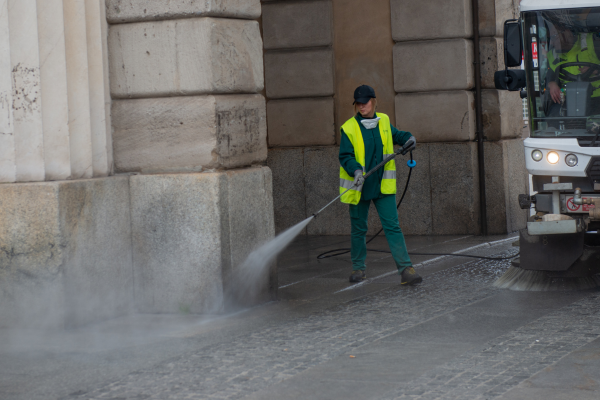
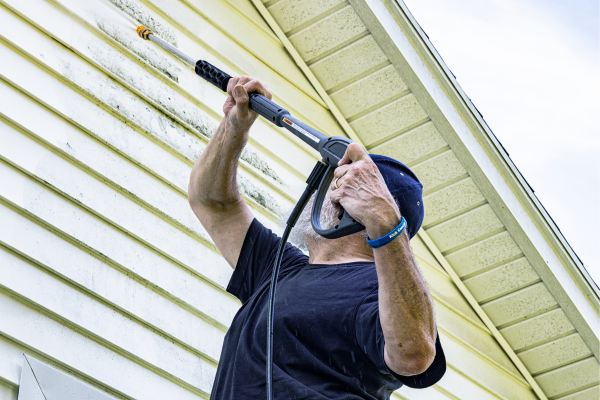
The real solution to slippery sidewalks isn’t guesswork or harsh chemicals; it’s professional pressure washing. This powerful cleaning method removes layers of algae, dirt, and buildup from concrete surfaces, restoring traction and preventing future slick spots. In The Villages, where Florida’s humidity encourages organic growth year-round, pressure washing provides the most effective, long-lasting results.
Why Professional Pressure Washing Is the Smartest Fix
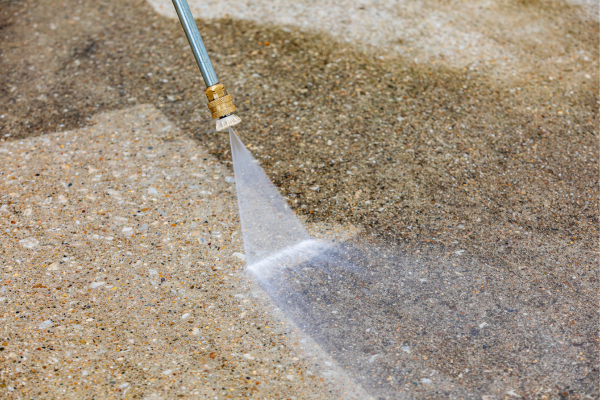
Pressure washing eliminates what’s making your sidewalks unsafe: the deep-seated algae, mildew, and grime that trap moisture and cause slipperiness. With professional-grade equipment, technicians apply the perfect level of pressure to lift contaminants from the pores of your concrete without damaging the surface. The result is a safer, cleaner walkway that’s ready to handle Florida’s unpredictable weather.
How Pressure Washing Restores Grip and Prevents Future Slipperiness
It’s not enough to make a sidewalk look clean; the real goal is restoring traction. Professional pressure washing removes every trace of slick buildup while improving the surface texture, helping your shoes grip better. Many experts also apply eco-friendly treatments that slow regrowth, keeping sidewalks safer for longer and extending the time between cleanings.
Why Routine Pressure Washing Is the Best Long-Term Solution
In a community like The Villages, regular pressure washing isn’t just maintenance, it’s prevention. Routine cleanings remove debris before it can build up, protecting your concrete from wear, erosion, and costly repairs. Scheduling seasonal pressure washing keeps sidewalks bright, beautiful, and, most importantly, safe for everyone in your neighborhood.
Preventing Future Slippery Sidewalks in The Villages
Regular maintenance is the best defense against slick, hazardous walkways. Keeping sidewalks clear of debris, trimming shaded areas to increase sunlight exposure, and monitoring for early warning signs are all crucial parts of long-term prevention.
Scheduling routine cleaning and ensuring proper drainage helps keep sidewalks safe and visually appealing. For property owners and managers, these steps don’t just prevent accidents; they maintain property value and public safety for years to come.