Algae, Mold, and Mildew: The Real Impact on Florida Homes
Florida homeowners face a unique challenge when it comes to keeping their homes clean and healthy: the subtropical climate. High humidity, frequent rain, and warm temperatures create a perfect environment for mold, mildew, and algae to thrive. These microscopic organisms aren’t just unsightly—they can cause structural damage, health problems, and decrease your property’s value. Understanding the growth patterns of mold and mildew, and implementing professional preventative measures is essential to keeping your home safe, clean, and looking its best.
Why Mold, Algae, and Mildew Thrive in Florida Homes
The conditions inside and outside Florida homes make them highly susceptible to mold and mildew growth. From moisture buildup in attics to damp siding and shaded areas, mold spores find countless breeding grounds.
The Role of Florida’s Humid Climate in Mold Growth
Florida’s consistently high humidity levels, combined with warm temperatures, create an ideal environment for mold to grow. Indoor humidity above 60% can encourage mold spores to proliferate inside walls, ceilings, and floors. Even minor leaks or condensation can become a breeding ground for mold, leading to significant mold growth over time if left unchecked.
Common Surfaces Where Algae and Mildew Accumulate
Alga, mildew, and black mold thrive on porous and shaded surfaces. Siding, decks, patios, roofs, gutters, and window sills often accumulate moisture, dirt, and organic matter—creating perfect conditions for growth. Driveways, walkways, and outdoor furniture are also common surfaces where algae stains and mildew appear, detracting from the home’s curb appeal and posing slip hazards.
How Homeowners Can Recognize Early Signs of Mold
Florida homeowners should look for telltale signs such as unsightly stains, streaks on walls or siding, a musty odor indoors, and discoloration around damp areas. Visible mold patches, peeling paint, or black spots on exterior surfaces are often indications of existing mold growth. Recognizing these signs early allows for timely professional remediation before the problem spreads.
The Health Risks and Structural Damage Caused by Mold and Mildew
Mold doesn’t just threaten the appearance of your home—it poses health and structural risks.
Health Problems Linked to Mold Exposure
Mold exposure can trigger allergy symptoms, respiratory issues, and exacerbate asthma. Certain types, like toxic black mold, can cause more severe reactions. Ensuring proper ventilation, using professional mold removal techniques, and keeping indoor humidity below 60% are critical steps for protecting your family’s health.
Hidden Mold and Its Impact on Indoor Air Quality
Mold growing inside walls, ceilings, or under floors is difficult to detect but can significantly affect indoor air quality. Hidden mold can release spores into the home, potentially causing chronic respiratory problems and contributing to persistent musty odors. Professional mold remediation and routine inspections help detect and eliminate these hidden hazards.
Long-Term Damage Mold Can Cause to a Florida Home
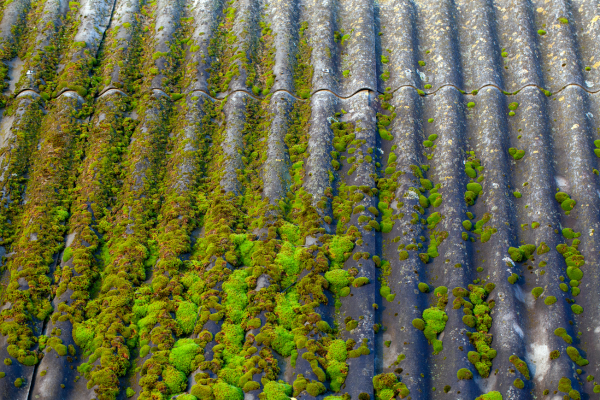
Over time, untreated mold and mildew can damage building materials, wood structures, and even roofing shingles. Persistent moisture weakens structural integrity, causing costly repairs and reducing the home’s value. Proactive prevention and professional cleaning services are essential to preserve both the home’s health and longevity.
Routine Pressure Washing as a Key Preventive Measure
Professional pressure washing plays a critical role in preventing mold, algae, and mildew buildup on exterior surfaces. Regular cleaning not only improves appearance but also safeguards the home from moisture-related problems.
How Pressure Washing Removes Algae, Mildew, and Surface Mold
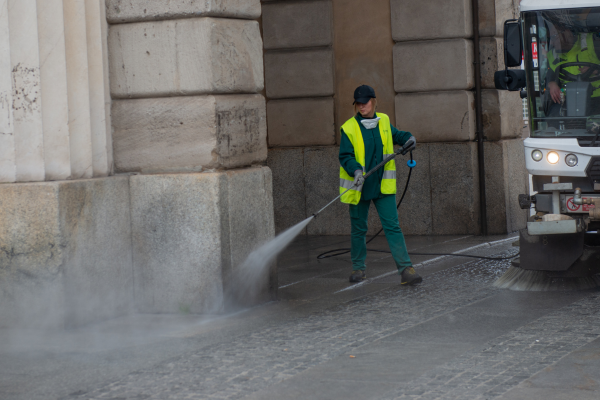
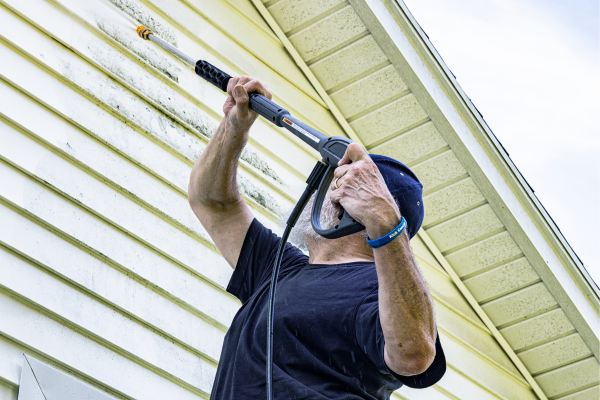
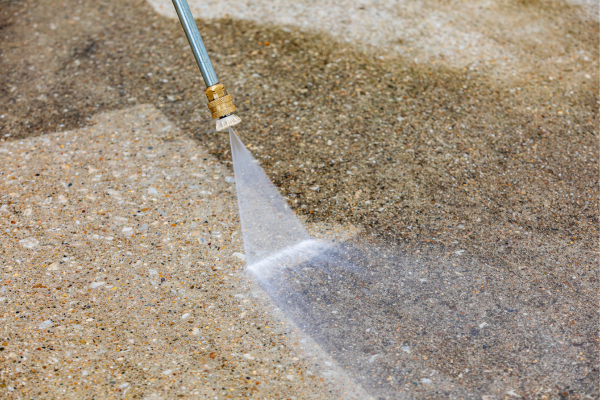
Expert commercial-grade pressure washing or soft washing removes surface mold, algae, and mildew safely without damaging the home’s exterior. High-pressure water, combined with eco-friendly cleaning solutions, eliminates stains and restores surfaces to a spotless condition while inhibiting future growth.
Why Professional Cleaning Protects Both Health and Property
Professional pressure washing ensures that homeowners avoid exposure to mold spores during cleaning. Certified teams use appropriate equipment and detergents to safely remove mold while preventing damage to building materials. This approach protects both the property and the people living in it.
Frequency and Best Practices for Florida Homeowners
For Florida homes, scheduling pressure washing at least once or twice a year is recommended. Homes in shaded areas or near water sources may require more frequent attention. Professionals tailor their cleaning methods to the home’s specific surfaces, ensuring that algae, mildew, and mold growth are thoroughly addressed and future buildup is minimized.
Ensuring a Safe, Clean, and Healthy Home Year-Round
Maintaining a Florida home requires diligence and professional care. Combining routine inspections, proper ventilation, controlled indoor humidity, and periodic pressure washing keeps mold and mildew at bay. By proactively addressing growth on exterior surfaces and monitoring indoor conditions, homeowners can preserve structural integrity, protect their family’s health, and maintain a pristine, welcoming environment year-round. Contact us for pressure washing services to ensure that your home remains spotless, safe, and resilient against Florida’s challenging climate.