How Paver Sealing Protects Pool Decks in Ft. McCoy and Anthony
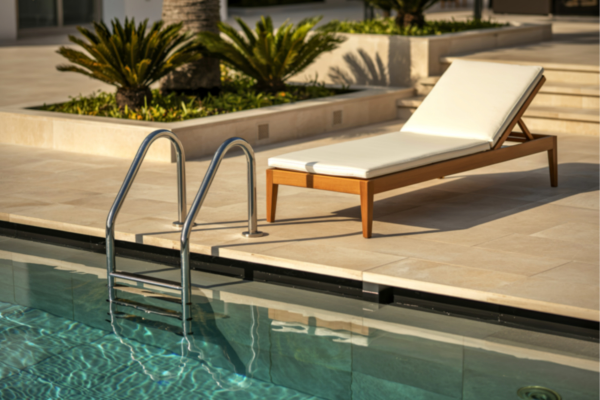
Pool decks are the centerpiece of outdoor living for homeowners in Ft. McCoy and Anthony, FL. Whether you host weekend barbecues, enjoy morning coffee by the water, or simply love relaxing in the Florida sunshine, your pool deck gets more daily use and environmental exposure than almost any other surface on your property.
That constant exposure takes a serious toll. Chlorine splash, UV radiation, moisture absorption, algae growth, and foot traffic all work together to fade, stain, crack, and degrade your pavers over time. Without proper protection, a beautiful pool deck can look tired and worn within just a few years of installation.
Professional paver sealing is the single most effective way to protect your pool deck investment and keep it looking stunning season after season.
The Unique Threats Ft. McCoy and Anthony Pool Decks Face
Ft. McCoy and Anthony sit in the rural heart of Marion County, where properties tend to feature larger outdoor spaces and generous pool areas. The same natural beauty that makes these communities special also creates specific challenges for pool deck maintenance.
Relentless UV Exposure
Both Ft. McCoy and Anthony feature open, sun-drenched lots with minimal shade coverage. Pool deck pavers absorb intense UV radiation for hours every day. Over time, this exposure bleaches color from the pavers, leaving them faded and washed out. Sealed pavers resist UV damage and retain their original rich color far longer than unsealed surfaces.
Chlorine and Chemical Splash
Every time someone enters or exits the pool, chlorinated water splashes onto the surrounding deck. Chlorine is a harsh chemical that etches and discolors paver surfaces over time. Sealer creates a protective barrier that prevents chlorine from penetrating the paver material, dramatically reducing chemical damage.
Moisture Absorption and Efflorescence
Pavers are porous, and in Florida’s humid climate, they absorb significant moisture from both rain and pool splash. When this moisture evaporates, it pulls mineral salts to the surface, creating white, chalky deposits called efflorescence. Sealed pavers absorb far less moisture, which prevents efflorescence and keeps your deck looking clean and consistent.
Algae and Mold Growth
The combination of constant moisture, warm temperatures, and shade from pool enclosures creates ideal conditions for algae and mold to grow on paver surfaces. These organisms make pool decks dangerously slippery and visually unappealing. Sealer inhibits biological growth and makes routine cleaning far more effective.
What Professional Paver Sealing Involves
Paver sealing is not as simple as rolling on a coat of product from the hardware store. Professional paver sealing is a multi-step process that delivers dramatically superior results.
Thorough Pressure Washing and Cleaning
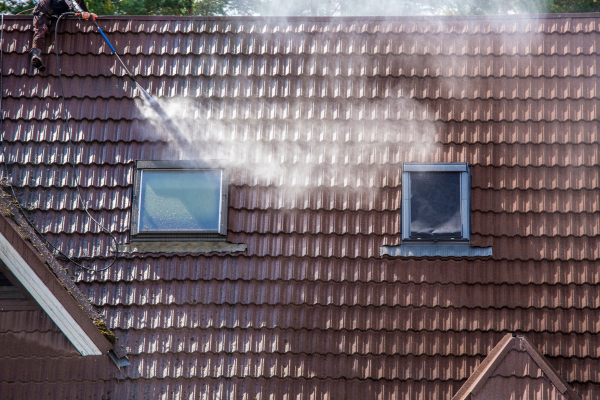
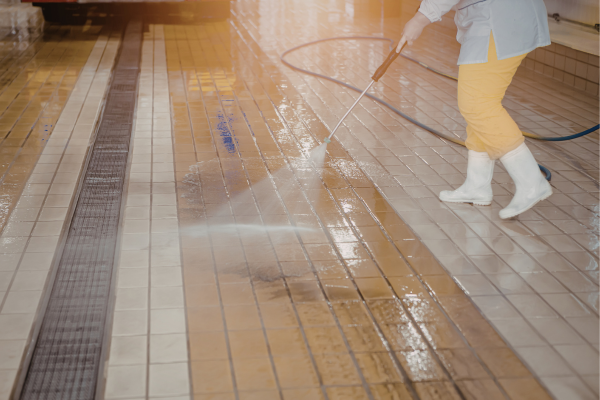
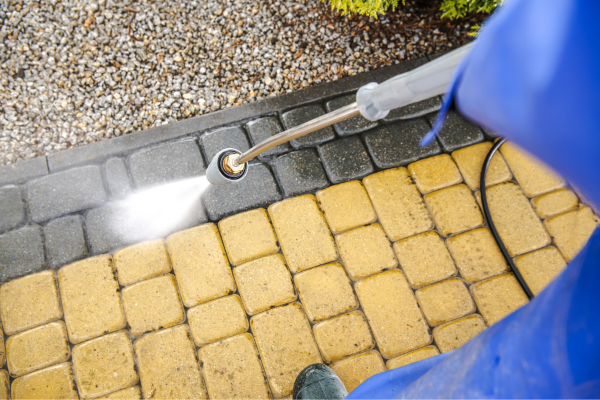
Before any sealer is applied, the entire pool deck is professionally pressure-washed to remove dirt, algae, mold, efflorescence, and stains. This deep cleaning opens the pores of the pavers and ensures the sealer bonds directly to a clean surface. Skipping this step is the number one reason DIY sealing projects fail.
Joint Sand Replacement and Stabilization
Over time, the polymeric sand between your pavers washes out, shifts, or breaks down. Missing or deteriorated joint sand allows weed growth, ant hills, and paver movement. During the sealing process, professionals re-sand the joints with fresh polymeric sand that locks pavers in place and prevents pest intrusion.
Application of Premium Sealer
After cleaning and sanding, a high-quality sealer is applied evenly across the entire surface. The sealer penetrates the paver material, creating a protective shield against UV rays, moisture, chemicals, stains, and biological growth. Depending on your preference, sealers are available in natural matte finishes or wet look glossy finishes that enhance the color and depth of your pavers.
The Visible Difference Sealing Makes
The transformation after professional paver sealing is immediately noticeable. Faded pavers regain their original color and vibrancy. Stains disappear. The surface looks uniform and polished. Joint lines appear clean and consistent. Your entire pool area feels refreshed and inviting.
Neighbors and guests will notice the difference instantly. Many homeowners say their sealed pool deck looks better than the day it was first installed.
How Long Does Paver Sealing Last?
In the Ft. McCoy and Anthony climate, a professionally applied sealer typically lasts two to three years before reapplication is needed. Properties with heavier use, extreme sun exposure, or aggressive pool chemistry may benefit from resealing closer to the two-year mark. Your sealing provider can assess conditions and recommend the ideal schedule for your specific pool deck.
Why DIY Paver Sealing Often Backfires
Homeowners who attempt paver sealing themselves frequently encounter problems, including uneven application, bubbling, peeling, white hazing, and premature failure. These issues usually result from applying sealer over dirty surfaces, using the wrong product, applying too thick a coat, or sealing in improper weather conditions. Correcting a failed DIY sealing job often costs more than the professional service would have in the first place.