Why Paver Driveways in Marion Oaks Lose Color and How Sealing Brings Them Back
Marion Oaks homeowners invest significantly in paver driveways that add elegance and value to their properties. But within two to three years of installation, those once vibrant pavers begin fading, growing weeds between joints, and developing stains that make them look decades older than they actually are. This frustrating deterioration is not inevitable. Professional paver sealing stops the damage cycle and restores the rich color you fell in love with when your driveway was new.
What Causes Paver Driveways to Fade in Marion Oaks
Paver color comes from pigments mixed into the concrete during manufacturing. These pigments sit near the surface where they are exposed to environmental forces that degrade them over time. In Marion Oaks, three primary factors accelerate this fading process.
UV Radiation Bleaches Paver Pigments
Florida receives some of the highest annual UV radiation levels in the continental United States. Marion Oaks driveways absorb direct sunlight for 10 to 14 hours daily during the summer months. This relentless UV exposure breaks down color pigments at the molecular level, progressively washing out vibrant reds, browns, and charcoals into pale, washed-out versions of their original hues.
Rain and Irrigation Erode Surface Material
Each rainfall event and irrigation cycle washes microscopic particles from paver surfaces. Over hundreds of rain events annually, this erosion exposes fresh subsurface material that lacks the concentrated pigment of the original manufactured face. The result is progressive lightening and uneven color distribution across the driveway surface.
Biological Growth Masks and Stains Pavers
Algae, mold, and lichen growing on paver surfaces produce acids that chemically attack pigments. Even after cleaning removes visible biological growth, the acid damage to underlying pigments creates permanent discoloration patches that make driveways look blotchy and neglected.
The Weed and Ant Problem That Follows Joint Sand Loss
Paver driveways rely on polymeric or regular joint sand to maintain structural stability and prevent movement between individual pavers. Rain, pressure from vehicle traffic, and insect activity gradually displace this sand from joints. Once sand levels drop, weeds find easy pathways to establish root systems between pavers.
Ant colonies and other insects exploit compromised joints to build nests beneath pavers, displacing supporting material and creating settlement issues. What begins as a few weeds sprouting between pavers progresses to structural instability requiring expensive releveling or replacement.
How Professional Paver Sealing Solves Every Problem Simultaneously
Professional paver sealing in Ocala addresses color loss, weed growth, sand erosion, and biological contamination through a comprehensive process that cleans, restabilizes, and protects your driveway.
Deep Cleaning Removes All Contamination
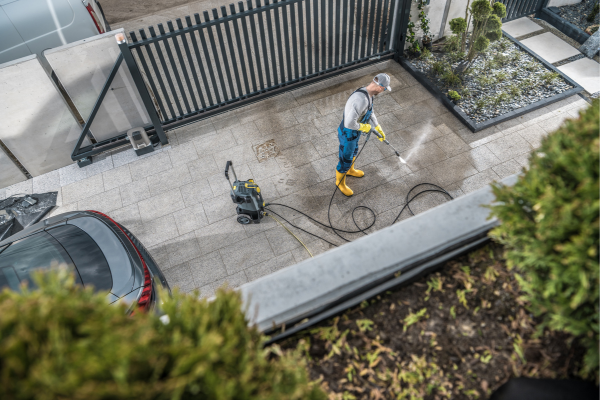
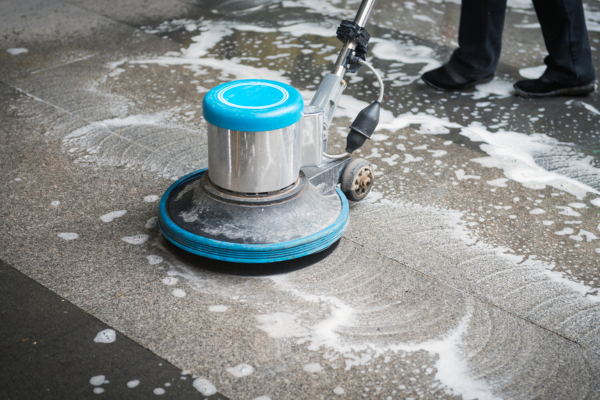
Before any sealant is applied, technicians pressure wash the entire driveway to remove embedded dirt, biological growth, stains, and debris from paver surfaces and joints. This cleaning step is essential because the sealant applied over contamination locks dirt permanently beneath the protective coating.
Joint Sand Replacement Restores Structural Integrity
After cleaning, fresh polymeric sand is swept into all joints and activated with moisture. This sand hardens into a firm yet flexible material that locks pavers in position, resists insect penetration, and prevents weed germination. Proper joint sand is the structural foundation that keeps your paver driveway stable under vehicle weight.
Sealant Application Protects and Enhances
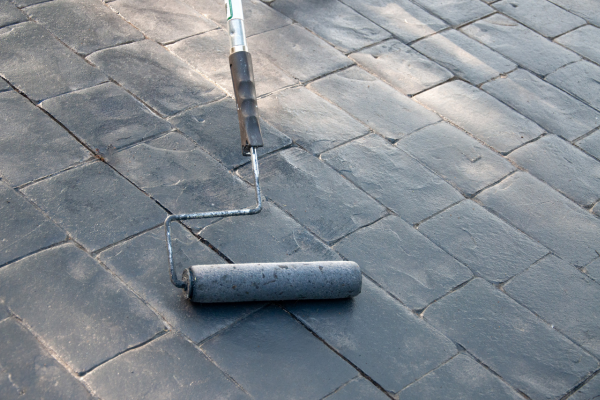
Commercial-grade paver sealant creates a UV-resistant barrier that dramatically slows color fading. Quality sealers enhance existing color by enriching pigment appearance, often making pavers look better than they did when originally installed. The sealed surface resists staining from oil drips, leaf tannins, and biological growth while making future cleaning faster and easier.
How Long Does Paver Sealing Last in Marion Oaks
Professional paver sealing in Marion Oaks typically provides two to three years of protection depending on driveway traffic volume, sun exposure, and maintenance practices. Driveways receiving heavy daily vehicle traffic may show wear sooner than lightly used surfaces. Regular maintenance, including periodic sweeping and prompt spill cleanup, extends sealant performance significantly.