Why Graffiti Removal Needs Professional Treatment in Ocala Commercial Districts
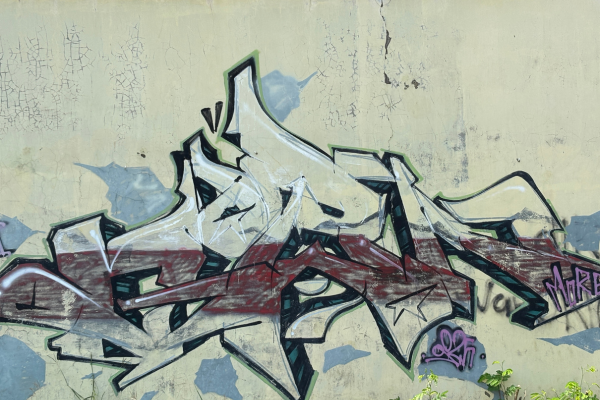
Graffiti is a persistent frustration for business owners in Ocala’s commercial districts. A building wall gets tagged one evening. The owner or manager spends hours the next morning trying to remove the graffiti with consumer-grade paint stripper and a pressure washer. The graffiti disappears, revealing either the original wall surface or an ugly shadow outline where the paint was. Days or weeks later, the same wall gets tagged again by the same or different vandals, as if the previous removal never happened.
What most business owners do not understand is that casual graffiti removal actually encourages repeat tagging. Taggers view a business property as a legitimate canvas and notice when their previous work has been hastily removed. Removing graffiti with improper techniques leaves residual ink, paint, or stain ghost images that frustrate vandals and actually make the property more likely to be targeted again.
Professional graffiti removal using specialized techniques and commercial-grade chemistry eliminates graffiti, leaving no trace, no shadow, and no invitation for repeat tagging.
Why Ocala Commercial Properties Face Persistent Graffiti Pressure
Ocala’s downtown commercial districts, warehouse areas, and shopping centers experience concentrated graffiti activity for specific environmental and social reasons.
High Vandal Activity in Growth Zones
Ocala is experiencing rapid commercial and residential growth, which attracts transient populations and vandals seeking visibility for their tags. Properties in growing commercial corridors become target-rich environments for graffiti artists who seek maximum exposure for their work. Visibility to passing cars and foot traffic makes certain walls prime real estate for vandals.
Existing Graffiti Attracts Additional Tagging
Graffiti that remains visible on a property attracts additional tagging because it signals that the property is a known canvas. Vandals seek out walls with existing tags, viewing them as acceptable targets. Each new tag left unchecked increases the likelihood of additional tags following in rapid succession.
Certain Wall Locations and Material Types Are Particularly Vulnerable
Concrete block walls, painted brick, and stucco surfaces found throughout Ocala’s commercial properties are preferred graffiti canvases because they provide high contrast and visibility for spray paint work. Walls visible from major roads and traffic intersections are targeted more frequently than walls in less visible locations.
Ineffective Removal Creates Ghost Images That Encourage Repeat Tagging
When graffiti is removed improperly using casual pressure washing and consumer paint strippers, shadow images or faint outlines of the original graffiti often remain visible. These ghost images signal to vandals that removal efforts have been weak or inadequate, essentially inviting repeat tagging of the same wall.
Why DIY and Casual Removal Methods Fail
Business owners who attempt graffiti removal themselves or hire general contractors without graffiti specialization typically experience poor results that invite immediate re-tagging.
Conventional Pressure Washing Spreads Paint Rather Than Removes It
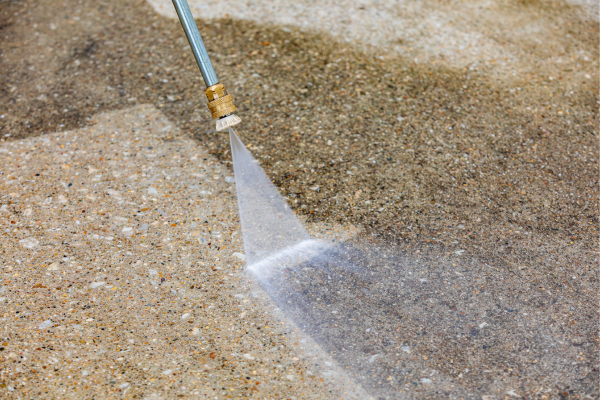
Standard pressure washing can mobilize and spread paint particles across a larger area rather than concentrating them for removal. High pressure can also embed paint particles deeper into porous surfaces like concrete or brick, making the graffiti harder to remove rather than easier.
Consumer Paint Strippers Lack Required Strength
Paint strippers available to consumers at hardware stores use weaker chemical formulations than professional graffiti removal products. These consumer products soften paint but do not fully dissolve it, leaving residue that reappears as a faint ghost image after the remaining liquid evaporates.
Improper Timing and Technique Create Incomplete Results
Removing graffiti requires specific timing and technique related to paint type, surface material, age of the graffiti, and weather conditions. Casual removal without understanding these variables typically results in partial removal that leaves visible evidence of the attempt and invites repeat vandalism.
How Professional Graffiti Removal Achieves Complete Elimination
Professional graffiti removal services employ specialized knowledge, commercial-grade chemistry, and precise technique to eliminate graffiti completely with no ghost images or residual evidence.
Identification of Paint Type and Surface Material
The first step in professional graffiti removal is identifying what type of paint was used (spray paint, brush applied, lacquer, etc.) and what surface material needs to be cleaned (concrete, brick, stucco, metal, plastic, glass, etc.). Different combinations require different removal approaches.
Selection of Appropriate Removal Chemistry
Commercial-grade graffiti removal products are engineered for specific paint types and surface materials. Spray paint on concrete requires different chemistry than brush-applied paint on brick or marker stains on plastic. Professionals maintain an inventory of removal solutions and select the exact product needed for each specific situation.
Controlled Application and Dwell Time
Rather than immediate pressure washing, professional removal begins with careful application of removal chemistry that is allowed adequate dwell time to penetrate and break down paint at a molecular level. Temperature, humidity, and paint age all affect dwell time requirements.
Precise Pressure Washing Technique
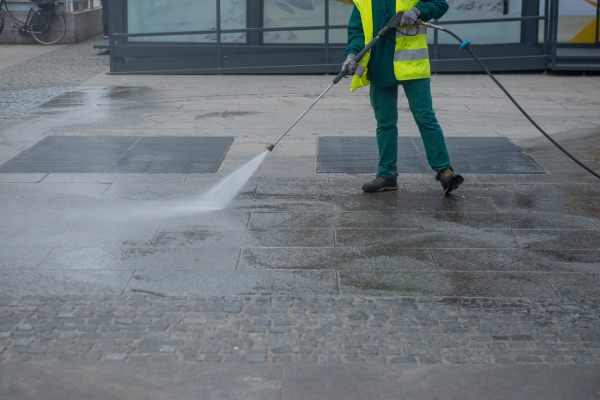
After the chemical has adequately worked, controlled pressure washing at calibrated settings removes the chemically loosened paint without damaging the underlying surface or pushing paint particles into pores. Nozzle selection, pressure level, and water temperature are all critical variables that separate professional results from amateur attempts.
Post-Treatment Surface Protection
Many professional services conclude with the application of a protective coating that makes the cleaned surface more resistant to future graffiti adhesion or provides anti-graffiti protection that makes removal easier if tagging occurs again. These coatings create an invisible barrier that significantly extends the time vandals can maintain their tags and makes removal faster and easier.
Cost-Benefit of Professional Rapid Response
While professional graffiti removal costs more than casual removal attempts, the long-term economics strongly favor rapid, professional intervention.
A property that receives professional graffiti removal within 24-48 hours of tagging, achieves complete paint removal with no ghost images, and receives protective coating application typically experiences minimal repeat tagging. Vandals view professionally maintained surfaces as poor canvases and move on to easier targets.
A property where graffiti remains visible for days or weeks or where removal attempts leave visible ghost images quickly becomes a persistent target that generates new tags regularly. The cumulative cost of repeated casual removal attempts, combined with the business impact of continuous vandalism, far exceeds the cost of one professional removal with protective coating.