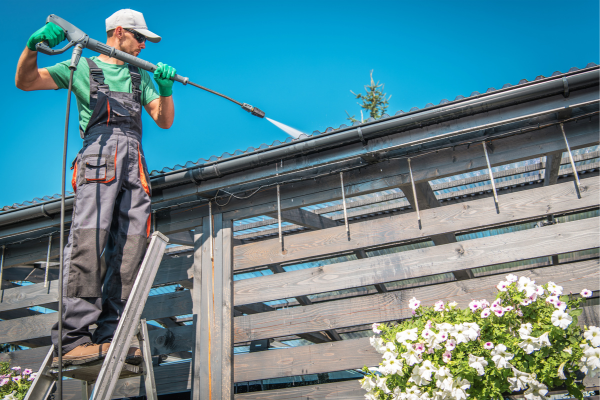
5 Florida-Specific Exterior Problems You Can Only Fix With Professional Washing
Florida’s unique climate creates exterior problems that homeowners in other states rarely experience. High humidity, intense sun exposure, heavy rainfall, salt air near coastal areas, and persistent heat all contribute to accelerated surface deterioration.
While routine cleaning may remove surface dirt, many Florida-specific issues require professional pressure washing services to properly eliminate contamination at its source. Standard household cleaning methods simply cannot address deeply embedded algae, mold, and mineral buildup effectively.
Understanding these problems and how expert washing resolves them helps homeowners protect property value, curb appeal, and structural integrity.
Top Florida Climate-Related Problems That Demand Expert Pressure Washing Services
1. Rapid Algae and Mildew Growth in Humid Conditions
Florida’s constant humidity creates the perfect environment for algae and mildew to thrive on exterior surfaces. These organisms feed on moisture and organic material found in dirt, pollen, and airborne debris.
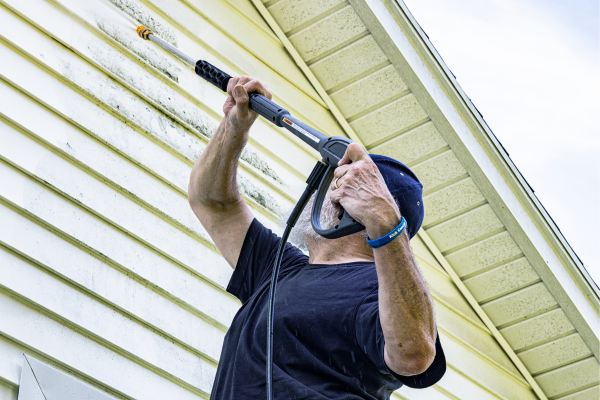
Over time, algae spreads across siding, stucco, fences, and concrete surfaces, forming green or dark discoloration that worsens quickly in shaded areas.
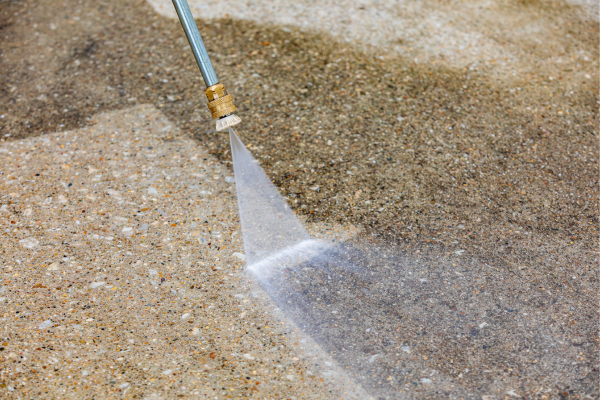
Professional pressure washing removes biological growth at the root level. Specialized cleaning solutions break down the organisms before low-pressure rinsing eliminates them completely. This approach prevents regrowth and restores surfaces to their original condition.
DIY cleaning methods typically remove surface stains temporarily but fail to eliminate spores embedded deep in porous materials.
2. Black Streaks and Staining on Roof Shingles
Black streaks commonly seen on Florida roofs are caused by a type of algae that thrives in warm, moist climates. These stains not only affect curb appeal but also weaken roofing materials over time.
If left untreated, algae can trap moisture beneath shingles and accelerate deterioration. Many homeowners attempt to clean roofs with high-pressure equipment, but excessive pressure can strip protective granules from asphalt shingles.
Professional soft washing, a low-pressure form of pressure washing, safely removes roof algae without damaging materials. This technique ensures deep cleaning while preserving the integrity of the roofing system.
Proper roof maintenance significantly extends lifespan and prevents premature replacement costs.
3. Salt Air Corrosion in Coastal and Near-Coastal Areas
Homes located near Florida’s coastline face an additional challenge: salt air exposure. Wind carries salt particles that settle on exterior surfaces, metal fixtures, fences, and outdoor equipment.
Over time, salt buildup contributes to corrosion, rust formation, and paint breakdown. Simply rinsing surfaces with water does not effectively remove accumulated salt residue.
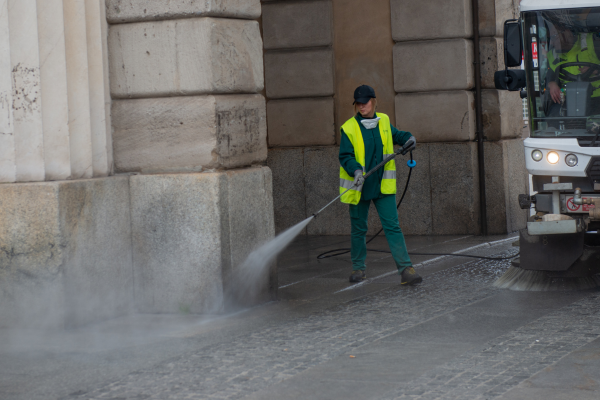
Professional pressure washing removes salt deposits from siding, driveways, railings, and structural components. Removing these corrosive particles reduces long-term material degradation and protects metal fixtures from rust damage.
Routine cleaning is essential for homes exposed to continuous coastal conditions.
4. Heavy Pollen Accumulation and Surface Contamination
Florida’s vegetation produces significant pollen throughout much of the year. Wind distributes pollen particles across homes, driveways, and outdoor living areas, leaving behind yellow or green residue.
Pollen accumulation may seem harmless, but it traps moisture and contributes to biological growth. It also diminishes exterior appearance by creating visible discoloration on surfaces.
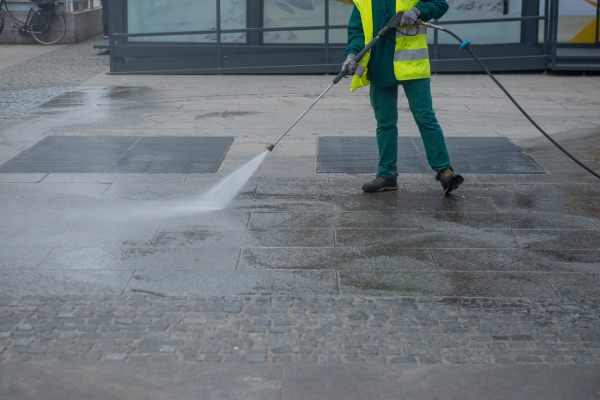
Professional pressure washing effectively removes thick pollen layers from siding, patios, decks, and walkways. High-powered rinsing combined with appropriate cleaning solutions ensures complete removal rather than surface spreading.
Regular exterior cleaning prevents pollen buildup from becoming a breeding ground for mold and mildew.
5. Mold and Mildew Embedded in Porous Surfaces
Porous materials such as stucco, brick, concrete, and wood absorb moisture easily, especially in Florida’s humid environment. When moisture penetrates these surfaces, mold and mildew grow beneath the visible layer.
Surface scrubbing cannot reach deeply embedded contamination. Without proper treatment, biological growth continues spreading internally and eventually resurfaces.
Professional pressure washing uses specialized cleaning agents designed to penetrate porous materials and eliminate mold colonies at their source. This deep-cleaning approach restores appearance while protecting structural components from ongoing damage.
Attempting to remove embedded mold with household tools rarely produces lasting results.
Why Professional Pressure Washing Is the Only Effective Solution
Florida-specific exterior problems require targeted treatment methods that standard cleaning cannot achieve. High humidity, salt exposure, intense sun, and heavy vegetation create conditions that demand professional-grade equipment and expertise.
Professional pressure washing services provide:
- Deep removal of algae, mold, and mildew
- Safe roof cleaning with low-pressure techniques
- Salt and pollen contamination removal
- Restoration of exterior surfaces without damage
- Long-term protection against recurring buildup
Using proper pressure settings and industry-approved cleaning solutions ensures surfaces are cleaned thoroughly without causing structural harm.
Protect Your Florida Property With Expert Exterior Cleaning
The 5 problems outlined above are unique to Florida’s climate and cannot be effectively resolved with basic cleaning methods alone. From algae-covered roofs to salt-corroded surfaces and pollen buildup, these issues require professional pressure washing expertise.
Regular maintenance not only improves curb appeal but also extends the lifespan of roofing, siding, driveways, and outdoor structures. Investing in professional exterior cleaning protects property value and prevents minor surface problems from turning into costly repairs.
For Florida homeowners, proactive pressure washing is not optional; it is essential property maintenance.